


Madame Bovary
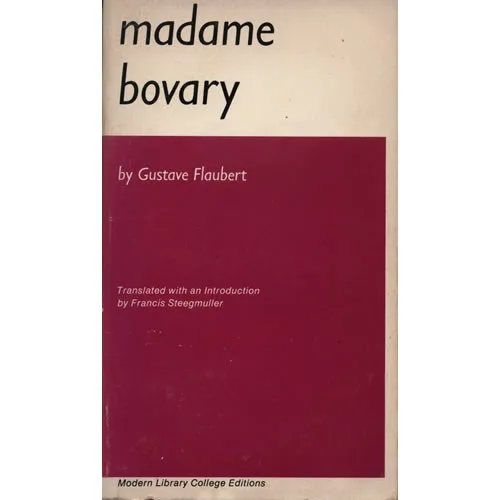
Publisher: Random House
ISBN: none
Ah, Madame Bovary, a tale as timeless as a slightly overripe banana left on the kitchen counter, and as perplexing as trying to explain the appeal of a soggy biscuit. This 1957 edition, collected from the dust-laden shelves of yesteryear, offers you a chance not just to read Flaubert’s work, but to bask in the peculiar aroma of history—like a curious whiff of mothballs and existential dread. Random House, that venerable purveyor of literary treasures, has faithfully resurrected this masterpiece, perhaps believing it could charm a generation more preoccupied with the latest gadget than the intricacies of human folly.
Our protagonist, Emma Bovary (whose name you might find curiously similar to a fancy French pastry), is that quintessential dreamer. A woman caught in the relentless whirlpool of mundane provincial life, she yearns for romance and excitement—something, it seems, that the local baker and the town pharmacist cannot quite provide. Flaubert, with the delicate touch of a surgeon wielding a quill, meticulously unpacks her desires, making you question whether it’s her aspirations that are misguided or just the universe’s sense of humor.
What makes this 1957 edition of Madame Bovary a true collector’s item is its genuine used condition, rife with the marks of a life well-lived—or, at least, well-read. Each crease in the spine tells a story, perhaps of a reader who pondered the meaning of life over a cup of tea, or one who simply used the book to prop up a wobbly table. The annotations, if any, range from thoughtful musings on fidelity to comic doodles of cats—because why not add a touch of whimsy to the despair? When you flip through these pages, you are not merely reading; you are engaging in a dialogue with a long-dead author who might be rolling in his grave, or perhaps just having a good laugh.
As you navigate through the ennui of provincial French life, you’ll find that Flaubert’s prose drips with irony, much like an overripe peach left too long in the fruit bowl. The characters’ relentless pursuit of happiness, juxtaposed against their inevitable disappointments, leads you to ponder the very nature of existence. Is happiness a fleeting mirage, or merely a well-penned illusion? To accompany your existential crisis, here are a few takeaways from this literary labyrinth:
- Emma’s penchant for luxury could inspire you to rethink your last purchase of overpriced coffee.
- The local gossip in provincial towns is so rich, you’ll want to spread it on toast.
- Flaubert’s language is so lush, you might find yourself developing an unexpected fondness for adjectives.
- The concept of romantic love will be forever tarnished, but hey, who doesn’t love a little melodrama?
- By the end, you may find yourself questioning if discontent is the true essence of the human experience.
Condition: Used, yes, but in a way that adds character—not unlike a vintage leather jacket with a few scuffs and the scent of someone else’s life adventures. The pages are yellowed, not unlike the parchment of ancient scrolls, while the cover displays a patina of age that whispers tales of neglect—not unlike the lonely hearts floating around the local pub. It’s a book with drama, and perhaps a hint of romance, that has weathered the years without losing its wit.
In conclusion, if you enjoy literary classics that serve as both cautionary tales and reflections on our own absurd pursuits, then look no further. Madame Bovary offers a rich tapestry of irony and human folly, perfect for those who appreciate the finer things in life—or at least the slightly worn-out versions of them. Grab your copy from Crappy Old Books and prepare to witness the tragicomic dance of a woman who sought happiness in all the wrong places. Just be ready to face the fact that some dreams are best left unfulfilled, like that half-finished bottle of wine in your fridge.
Keep browsing: See more Fiction books Other books by Gustave Flaubert
